If you are drawn to soft pastel shades, you’ll love tea green. This pretty light green shade works beautifully with a range of colours to create colour schemes for any project. Use tea green to decorate stunning interiors, create outfits with other colours in your wardrobe, or as part of a beautiful wedding or event colour scheme. Discover the best colour combinations to use with tea green with these moods boards and colour inspiration.
*Disclosure: This post contains affiliate links. We may be paid a commission if you use these links to make a purchase. As an Amazon Associate we earn from qualifying purchases.
What Do We Mean By Tea Green?
The name ‘tea green’ has a fairly obvious source: green tea. It’s the soft, pastel color of a cup of green tea, but also reminiscent of the color of new leaves growing on a tea plant. Or even a milky matcha latte. This pastel green has a hint of warm yellow undertone.
There are a few different shades of green that might be called tea green. The soft shade of tea green we are exploring here has the following colour codes:
- Hex code #d0f0c0
- RGB 208 240 192
- CMYK 13 0 20 6

What Does Tea Green Symbolise?
The light soft colour of tea green is a refreshing color, associated with nature and relaxation and good health. It’s connection to green tea makes it a popular choice for health and wellness brands.
Tea green is also a great choice for creating calm and soothing spaces, whether in a commercial space like a spa or beauty salon, or in your home.
In decorating, tea green works well with whites, creams and light neutrals to continue the soothing colour palette. It’s a good choice for calm living spaces or bathrooms.
Tea green is also a popular choice for spring and summer weddings and events.

Colours That Go With Tea Green
Soft pastel greens are very easy to combine with other colours. Tea green goes well with neutral shades and other colours found in nature (including other greens). As a soft light shade it also goes well with other light pastel shades in compatible hues.
The best neutral shades to use with tea green are bright white, ivory and cream, shades of grey (from light through to charcoal) or even black for contrast. Tea green also works with other pastel shades of green as part of an analogous colour scheme (with shades next to it on the colour wheel, including soft seafoam green) as well as light complementary colours (opposite on the colour wheel).
The mood boards below feature some of our favourite tea green colour combinations.
Tea Green and White
For a fresh colour scheme, pair tea green with crisp white (or light neutrals like ivory). This calming light combination creates a soothing and calming colour palette. It’s perfect for a crisp spring or summer outfit or to decorate a clam retreat in your home, whether that is a bedroom or a bathroom.

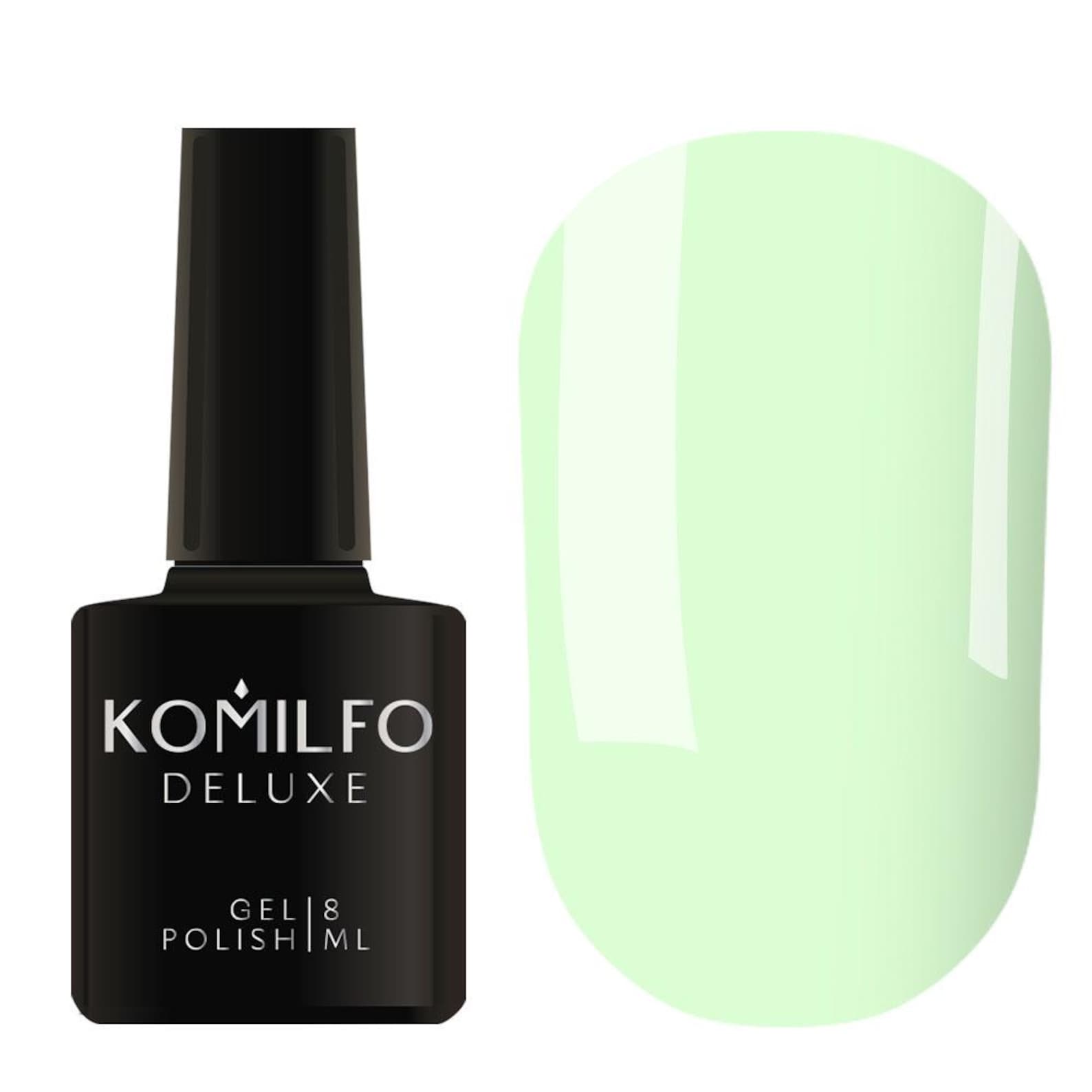
Tea green is an ideal spring or summer fashion colour, like this light green Komilfo gel nailpolish from Glifada on Etsy.
For a beautiful wedding or event colour palette, use tea green and white together and add another pastel shade like pink, yellow or blue.
Tea Green and Blue
Both greens and blues are nature inspired colours that work toegther in the right tones. Tea green goes best with light pastel bue shades and dusty blues, which are part of a square colour scheme on the colour wheel. Darker blues like navy can also work as a strong contrast.
I love using tea green and pale blue together with lots of white or neutral shades for refreshing colour schemes for decorating.

Tea Green and Pinks
For a classicly pretty colour palette, mix tea green with shades of pastel pink, from soft rose to coral shades. Pale pink is part of a split complimentary colour scheme on the colour wheel, so works particularly well. Add this combination to white or ivory for a beautiful combination for weddings and event decorating. Or add a third pastel shade like pale lemon or or peach.
Tea green will also work with a pop of vibrant pink like fuschia for a stonger contrasting palette.

Tea Green and Purple
Green and purple are opposites on the colour wheel, so are one of the most compatible combinations. For soft tea green, the best complimentary shades are soft grape or orchid shades, or a soft violet purple with its cooler undertone.
Tea green and purple often look better together when combined with with white or light neutrals, or another pastel shade like pale blue.

Tea Green and Yellows
Yellow and tea green will work together in the right shades, as tea green has a slightly warm yellow undertone. Pastel yellow also sits with tea green in a compund colour scheme.
The best yellows to try are soft pastel yellow, or soter muted gold and marigold tones.
Tea green and soft pastel yellow look good with whites and creams.

Tea Green and Orange
While tea green and bright oranges will work together, it is a very bold colour combination. The more conservative shades of orange to use with tea green are softer shades like pastel peach and soft corals. These softer shades of orange are compatible as part of a square or triad colour scheme. Brown oranges like tan will also work – see our brown mood board below.
One of my favouite ways to use tea green in decorating is with soft peach and white. Darker orange or tan is a great option for accessories like shoes, bags and belts when using tea green in an outfit, especially with white or blue.

Tea Green and Browns
As well as orange-browns and tans, tea green also looks good combined with deeper browns like dark tan and chocolate brown. Or for interiors, try tea green with natural timber shades and taupes.

Tea Green and grey
Gray (or gray for our US friends) is another useful neutral shade to use with tea green. The soft warmth of tea green goes with any shade of grey from light grey , medium grey or charcoal. Dark grey or charcoal provides the most contrast, so I prefer to use this in small amouts.
Neutral grey works well with any of the colour combinations above as an accent colour. Or use a touch of metallic silver when creating a tea green colour palette for a party or event.

Tea Green and Black
Black creates the strongest contrast with soft tea green. I find that using just a touch of black to a colour palette using tea green and one or more other neutrals or soft pastel shades can add a lovely balance.
This can work well with accessories when wearing an outfit with tea green, or to provide an accent colour in decorating or party invitations and colour schemes.

More Shades of Green
If you are a fan of soft tea green, other green shades you might be drawn to include soft seafoam green (which is a cooler pastel shade), celadon green or the more vibrant mint green. Or for a another soft green with with yellow undertones, but with more intensity, try pistachio green instead. Laurel green is also a soft muted green to explore.
To discover more about beautiful green shades, and all things green from gardens to eco-friendly ideas, we’d love you to subscribe.